


How to Choose the Right Hydraulic Suction Filter
Choosing the correct hydraulic suction filter is an important part of protecting the hydraulic pump and controlling contamination before oil enters the main hydraulic circuit. The filter or strainer needs to provide suitable contamination protection while still allowing enough hydraulic oil to reach the pump without creating unnecessary suction restriction.
Hydraulic suction filtration is positioned between the reservoir and hydraulic pump. Depending on the application, this may involve a suction filter, in-tank suction strainer or tank-side suction filter.
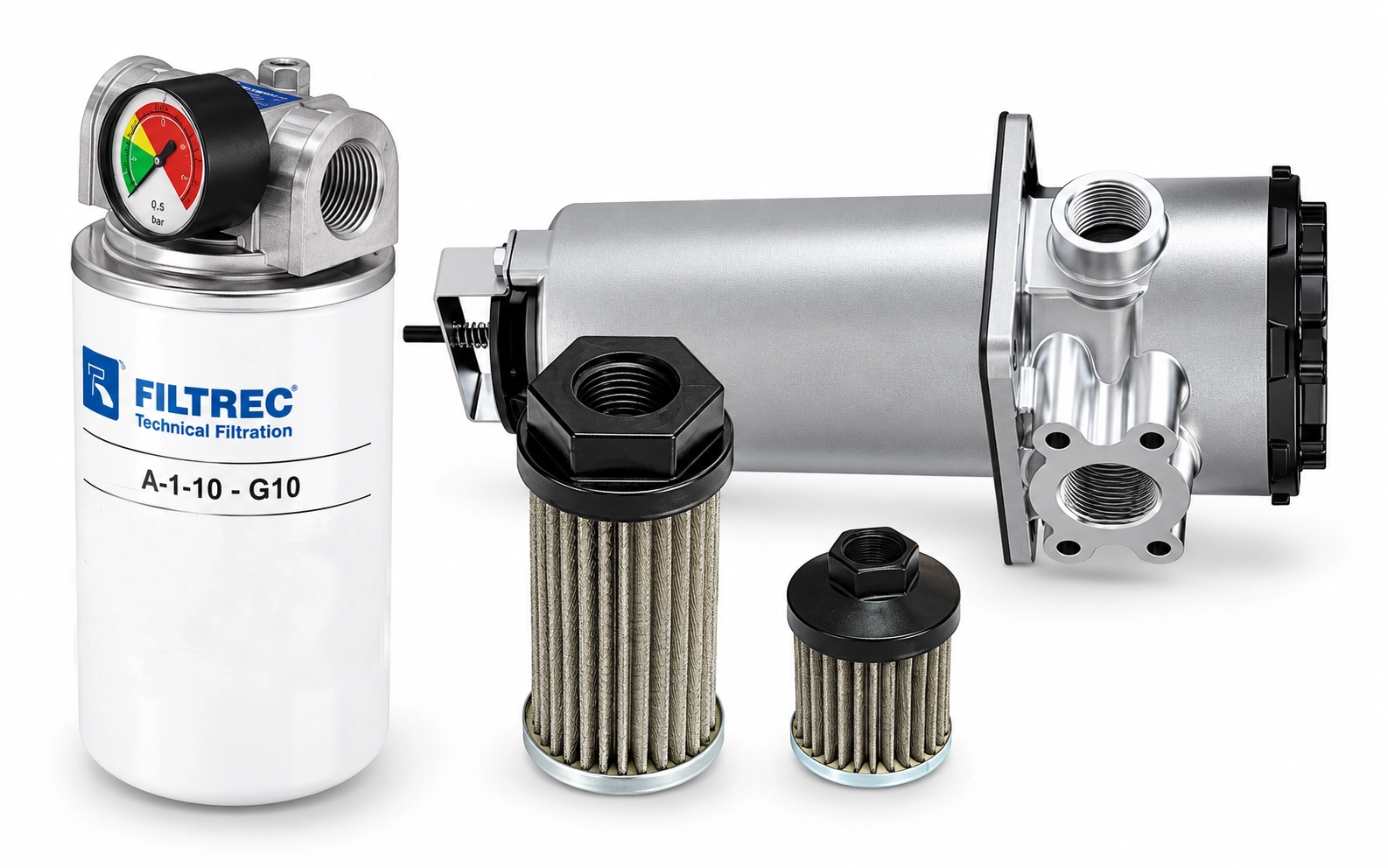
If you already know the type and specification you require, you can browse our hydraulic suction filter range .
Quick answer
A hydraulic suction filter is installed between the hydraulic reservoir and pump to help prevent larger particles and debris from reaching the pump inlet. When choosing a suction filter, consider the maximum pump flow, filtration rating, connection size, hydraulic fluid, installation position and the amount of suction restriction the filter may create. Suction-side filtration must allow sufficient oil to reach the pump during operation.
- 1) What is a hydraulic suction filter?
- 2) How does a hydraulic suction filter work?
- 3) What is the difference between a suction filter and suction strainer?
- 4) How do I choose the right hydraulic suction filter?
- 5) What flow rate should a suction filter handle?
- 6) What micron rating should a suction filter have?
- 7) What types of hydraulic suction filtration are available?
- 8) Why is suction restriction important?
- 9) Suction filter selection checklist
- 10) Hydraulic suction filter FAQs
1. What Is a Hydraulic Suction Filter?
A hydraulic suction filter is positioned on the inlet side of the hydraulic pump, between the hydraulic reservoir and the pump itself.
Its purpose is to help prevent larger particles, debris and other contamination from entering the pump with the hydraulic oil.
Contamination can enter a hydraulic reservoir during filling, maintenance and normal operation. Without suitable contamination control, unwanted particles can be drawn towards the pump and circulate around the hydraulic system.
Where does a suction filter sit?
Suction filtration sits before the hydraulic pump. Oil leaves the reservoir, passes through the suction filter or strainer and then enters the pump.
Suction filters need to allow sufficient oil flow
The pump depends on a reliable supply of hydraulic oil from the reservoir. Suction filtration therefore needs to provide contamination protection without creating unnecessary restriction at the pump inlet.
2. How Does a Hydraulic Suction Filter Work?
Hydraulic oil is drawn from the reservoir towards the pump. Before entering the pump, the oil passes through the suction filter media or suction strainer.
Larger contamination is retained by the filtration media while the hydraulic oil continues towards the pump inlet.
The Basic Stages of Suction Filtration
1. Oil is stored in the reservoir
Hydraulic oil is held within the tank or reservoir ready to supply the hydraulic pump.
2. Oil moves towards the pump
The hydraulic pump draws oil from the reservoir through the suction line.
3. Larger contamination is captured
The suction filter or strainer helps stop larger particles and debris before they reach the pump.
4. Oil enters the hydraulic pump
After passing through the suction filtration point, the hydraulic oil continues to the pump inlet.
Suction filtration in simple terms
Reservoir → suction filter or strainer → hydraulic pump → hydraulic circuit.
3. What Is the Difference Between a Hydraulic Suction Filter and a Suction Strainer?
The terms suction filter and suction strainer are sometimes used together, but the installation and filtration arrangement can differ.
| Type | Typical arrangement | Main purpose |
|---|---|---|
| Suction filter | Installed within the suction line or as part of a dedicated suction filtration assembly. | Provides controlled filtration before hydraulic oil enters the pump. |
| Suction strainer | Commonly installed inside the hydraulic reservoir at the pump suction connection. | Helps prevent larger contamination and debris from reaching the hydraulic pump. |
| Tank-side suction filter | Mounted on or alongside the hydraulic reservoir. | Provides suction-side filtration with a configuration that can make installation and servicing more accessible. |
Suction strainers are commonly used as a relatively coarse first level of contamination protection at the pump inlet. Different suction-filter designs can provide different filtration ratings and installation options depending on the hydraulic system.
Looking specifically for an in-tank suction strainer?
Browse Flowfit's hydraulic suction strainers for reservoir and pump-inlet applications.
4. How Do I Choose the Right Hydraulic Suction Filter?
Choosing a hydraulic suction filter involves more than matching the connection size. The filter needs to suit the hydraulic pump, reservoir arrangement, oil flow and filtration requirements of the system.
Maximum flow rate
Establish the amount of hydraulic oil the pump needs to draw through the suction filtration point.
Filtration rating
Select a filtration rating that provides the required contamination protection without creating unsuitable restriction.
Connection size
Confirm the required port size and thread type for the hydraulic suction line or reservoir connection.
Installation position
Determine whether the application requires an in-tank strainer, in-line suction filter or tank-side design.
Hydraulic fluid
Confirm that the filter media, seals and filter construction are suitable for the hydraulic fluid being used.
Pressure drop
Consider the resistance created as oil passes through the filter, particularly at the pump inlet.
Do not select a suction filter from port size alone
Two suction filters with the same connection size may have different flow capacities, filtration ratings, physical dimensions and operating characteristics. Check the complete filter specification before selecting a replacement or specifying a new filter.
5. What Flow Rate Should a Hydraulic Suction Filter Handle?
The suction filter must allow the hydraulic pump to receive the oil flow required during operation.
When comparing suction filters or strainers, check the manufacturer's stated flow information together with the selected filtration media and hydraulic fluid conditions.
| Flow consideration | Why it matters |
|---|---|
| Pump flow requirement | The suction arrangement needs to provide sufficient hydraulic oil to the pump. |
| Filter flow capacity | The filter or strainer should be appropriately sized for the required oil flow. |
| Oil viscosity | The resistance to oil flow through the filter can change with hydraulic oil viscosity. |
| Filter condition | Accumulated contamination can increase restriction through the filtration media. |
| Pipework and connections | The complete suction arrangement should be considered rather than looking at the filter independently. |
Size the filtration around the pump requirement
Establish the required suction-side oil flow before selecting the filter or strainer and compare this with the manufacturer's flow information for the chosen configuration.
6. What Micron Rating Should a Hydraulic Suction Filter Have?
The micron rating relates to the size of contamination associated with the filtration performance of the filter media.
There is no single suction-filter micron rating that is suitable for every hydraulic system. The required filtration depends on the filter design, hydraulic system, pump requirements, oil viscosity, flow and the wider contamination-control strategy.
Suction strainers are commonly used for relatively coarse contamination protection because maintaining adequate oil flow at the pump inlet is particularly important.
Finer filtration is not automatically better on the suction side
A finer filtration rating can create more resistance to oil flow. Suction filtration should therefore be selected around both contamination protection and the oil-flow requirements of the hydraulic pump.
7. What Types of Hydraulic Suction Filtration Are Available?
Hydraulic suction filtration can be installed in several different ways depending on the reservoir layout, pump position, available space and maintenance requirements.
Suction Filters
Suction filters are installed between the hydraulic reservoir and pump to help remove contamination before the oil reaches the pump inlet.
Suction Strainers
Suction strainers are commonly fitted inside the hydraulic reservoir and are used to help stop larger particles and debris from entering the pump.
Tank-Side Suction Filters
Tank-side suction filters are mounted on or around the hydraulic reservoir and can provide easier access for servicing and maintenance.
Combined Filtration Systems
Some hydraulic systems use suction filtration together with pressure and return filtration to protect different parts of the circuit.
Which type should I choose?
The most suitable arrangement depends on the hydraulic reservoir design, pump requirements, available installation space, flow capacity and the level of contamination protection required.
8. Why Is Suction Restriction Important?
The hydraulic pump needs an adequate supply of oil from the reservoir. Any component installed between the reservoir and pump creates some resistance to oil flow, including the suction filter.
This makes restriction an important consideration when specifying suction filtration. Filter size, filtration media, contamination loading, hydraulic oil viscosity and the overall suction-line arrangement can all influence resistance to flow.
Filter size
The suction filter needs sufficient flow capacity for the hydraulic pump and application.
Filter media
Different filtration media and ratings can provide different levels of resistance to hydraulic oil flow.
Oil viscosity
More viscous hydraulic oil can increase resistance as it moves through the suction arrangement.
Filter condition
As contamination accumulates within the filtration media, restriction may increase.
Consider the complete suction line
Filter selection is only one part of the suction-side arrangement. Pipework, fittings, oil viscosity, reservoir layout and pump requirements should also be considered when assessing the oil supply to the hydraulic pump.
9. What Information Do I Need Before Choosing a Hydraulic Suction Filter?
Collecting the main hydraulic specifications before comparing filters makes it easier to identify a suitable suction filter or strainer.
| Information to collect | Why it is needed |
|---|---|
| Required oil flow | Helps determine the required flow capacity of the suction filter. |
| Filtration rating | Helps identify the required level of contamination protection. |
| Installation type | Determines whether an in-line, in-tank or tank-side arrangement is required. |
| Port size and thread | Ensures the filter can be connected correctly to the suction line or reservoir. |
| Hydraulic fluid | Allows filter-media and seal compatibility to be checked. |
| Oil viscosity | Can influence resistance to flow through the filter. |
| Available installation space | Helps determine which filter configuration will physically fit the hydraulic system. |
| Existing filter reference | Provides a useful starting point when identifying a replacement filter or strainer. |
1. Confirm pump flow
Establish the hydraulic oil flow required at the pump inlet.
2. Choose filtration
Determine the required filtration rating and filter-media arrangement.
3. Choose installation type
Decide whether a suction filter, in-tank strainer or tank-side filter is most suitable.
4. Check the complete specification
Confirm ports, fluid compatibility, dimensions, flow capacity and installation requirements.
10. Hydraulic Suction Filter FAQs
What does a hydraulic suction filter do?
A hydraulic suction filter helps prevent larger particles and debris from reaching the hydraulic pump as oil is drawn from the reservoir.
Where is a suction filter installed?
Suction filtration is installed between the hydraulic reservoir and pump. Depending on the filter design, it may be positioned within the reservoir, in the suction pipework or on the side of the hydraulic tank.
What is a hydraulic suction strainer?
A hydraulic suction strainer is commonly installed inside the reservoir at the pump inlet. It provides relatively coarse filtration to help stop larger contamination and debris entering the hydraulic pump.
What is a tank-side suction filter?
A tank-side suction filter is mounted on or around the hydraulic reservoir. This type of arrangement can provide easier access for installation and maintenance compared with components mounted completely inside the reservoir.
Why can't I just use the finest possible suction filter?
Suction-side filtration needs to balance contamination protection with adequate hydraulic oil flow to the pump. A filtration arrangement that creates excessive restriction may not be suitable for the application.
Can a suction filter be too small?
Yes. The filter needs sufficient flow capacity for the hydraulic pump. Filter sizing should take account of the required oil flow, filtration media, oil conditions and the manufacturer's filter specifications.
Is a suction filter the same as a return line filter?
No. A suction filter is positioned before the hydraulic pump and filters oil leaving the reservoir. A return line filter is installed on the return side of the circuit and filters hydraulic oil before it flows back into the reservoir.
Is a suction filter the same as a high-pressure filter?
No. Suction filtration operates at the pump inlet, while a high-pressure filter is installed on the pressurised side of the hydraulic system and uses a housing designed for the operating pressure in that part of the circuit.
Can a hydraulic system use suction, pressure and return filtration?
Yes. Some hydraulic systems use filtration at several points within the circuit. Each filtration position performs a different role and needs to be selected for the operating conditions at that location.
What information should I provide when looking for a replacement suction filter?
Where possible, provide the existing filter or strainer reference together with the required flow rate, filtration rating, port size, hydraulic fluid, installation type and available space.
Choosing the Right Hydraulic Suction Filter
The correct hydraulic suction filter needs to help protect the hydraulic pump from contamination while allowing the oil supply required by the pump.
Before ordering, confirm:
- The hydraulic pump's required oil flow
- The required filtration rating
- The filter or strainer flow capacity
- The hydraulic fluid being used
- The port size and thread type
- Whether an in-tank, in-line or tank-side arrangement is required
- The available installation space
- The filter media required
- The existing filter reference, if replacing a filter
- The manufacturer's suction-side requirements for the hydraulic pump
Learn more about hydraulic filtration
Suction filtration is one part of a complete hydraulic contamination-control strategy. For an overview of pressure, return and suction filtration, read our Filtrec hydraulic filtration guide .
Find the Right Hydraulic Suction Filter
Explore Flowfit's range of hydraulic suction filters, suction strainers and tank-side filters, or contact our team if you need help identifying the correct filtration arrangement.
Tip: If you are replacing an existing hydraulic suction filter or strainer, take a photograph of the product label and record the manufacturer, part number, filtration rating, connection size and pump flow information before contacting the Flowfit team.
The total one-stop supplier for hydraulic components & systems
Get in touch

Parys Road
Ludlow
Shropshire
SY8 1XY


