T Type Manifold
A T manifold has three openings, forming a “T” shape. It’s used to split or combine fluid flow: one inlet allows flow in, while the other two outlets (or vice versa) direct flow in different directions.

FREE UK delivery on orders over £99.99 + VAT

Worldwide Shipping Available

Trade account available

Market Leader in Everything Hydraulic
A manifold valve consolidates multiple flow control operations into one compact block with multiple ports. In hydraulic and pneumatic systems it helps regulate and direct flow, reduces fittings, and makes maintenance easier.
.png)
Manifold valves are often used in industries such as oil and gas, chemical processing, manufacturing, and any systems where efficient flow control is necessary.
Fewer fittings and fewer joints generally means fewer potential leak points—especially helpful in tight installations.
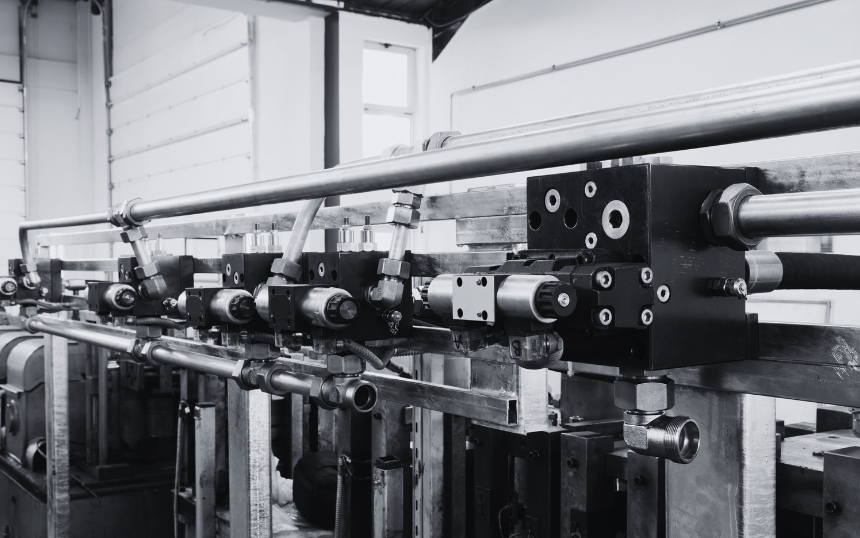
A hydraulic manifold is a block or panel containing multiple hydraulic valves, ports, and channels designed to manage fluid flow within a hydraulic system. Its primary role is to direct and regulate the flow of hydraulic fluid between pumps, actuators, and other components.
Similar to a switchboard in an electrical circuit, it serves as an operator-controlled gateway that enables the control of fluid flow between various components in hydraulic machinery.
Key design features include:
A T manifold has three openings, forming a “T” shape. It’s used to split or combine fluid flow: one inlet allows flow in, while the other two outlets (or vice versa) direct flow in different directions.
An L-type manifold redirects flow at a 90-degree angle, sending fluid between two perpendicular lines. It’s commonly used where tight routing and direction changes are needed.
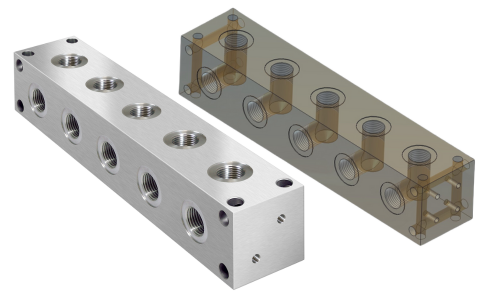
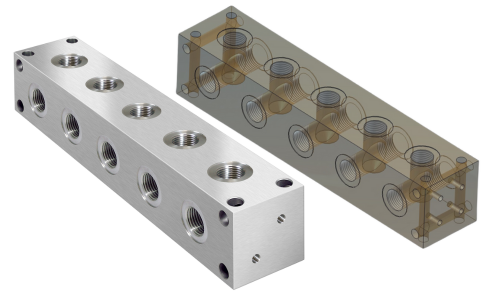
A parallel manifold distributes flow evenly to multiple circuits operating simultaneously. Multiple ports sit side-by-side, supplying separate channels independently from a common source.
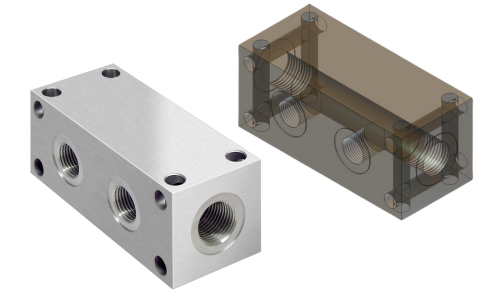
A 4-port cross manifold features four ports arranged in a cross (“X”) configuration. It allows fluid to intersect or be redirected between multiple connected lines.
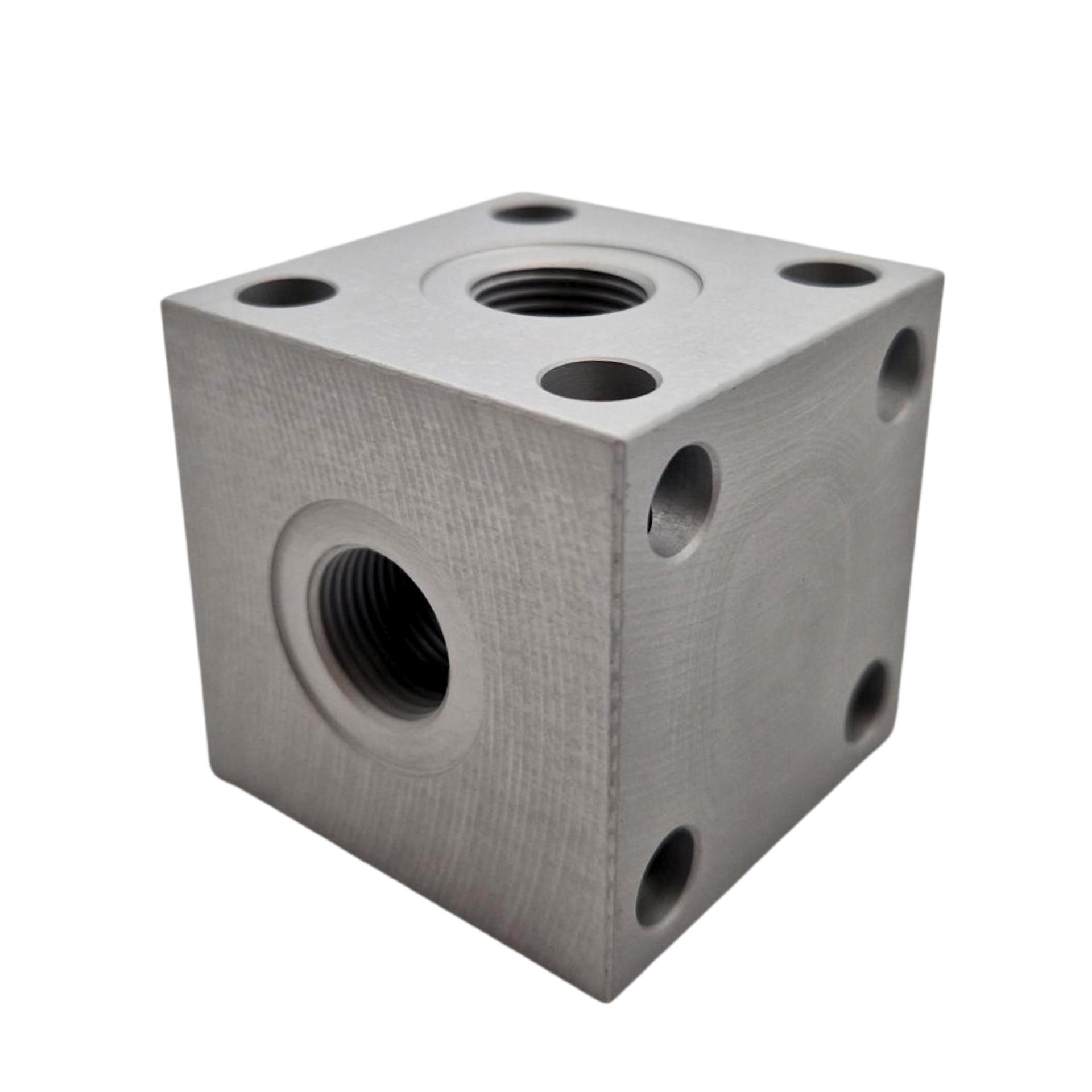
Hydraulic manifolds are typically made from aluminium, steel, or other materials that can withstand the pressures and environmental conditions of the application.
When choosing between aluminium and galvanized steel for hydraulic manifolds, several factors should be considered, including weight, corrosion resistance, cost, and application.
Benefit from reduced lead times through direct sourcing from Italy. We hold substantial stock so these high-quality hydraulic
manifolds are readily available when you need them. Elevate your system with
Oleorama Marchesini
Italian-manufactured manifolds.
Get in touch with our hydraulic specialists today.

Parys Road
Ludlow
Shropshire
SY8 1XY


