


Powerful Precision: Why Hydraulic Cylinders Are a Game-Changer for Log Splitters
A hydraulic log splitter cylinder is the “muscle” behind a log splitter—turning hydraulic pressure into the force that drives the wedge through wood. Below you’ll find how it works, key sizing guidance (bore + stroke), maintenance tips, and where to buy replacements.
What is a hydraulic log splitter cylinder?
A hydraulic log splitter cylinder is a crucial component in a hydraulic log splitter, which is a machine designed to split logs into smaller pieces, typically for firewood. The cylinder converts hydraulic pressure into mechanical force, allowing the splitter to drive a splitting wedge through the wood.
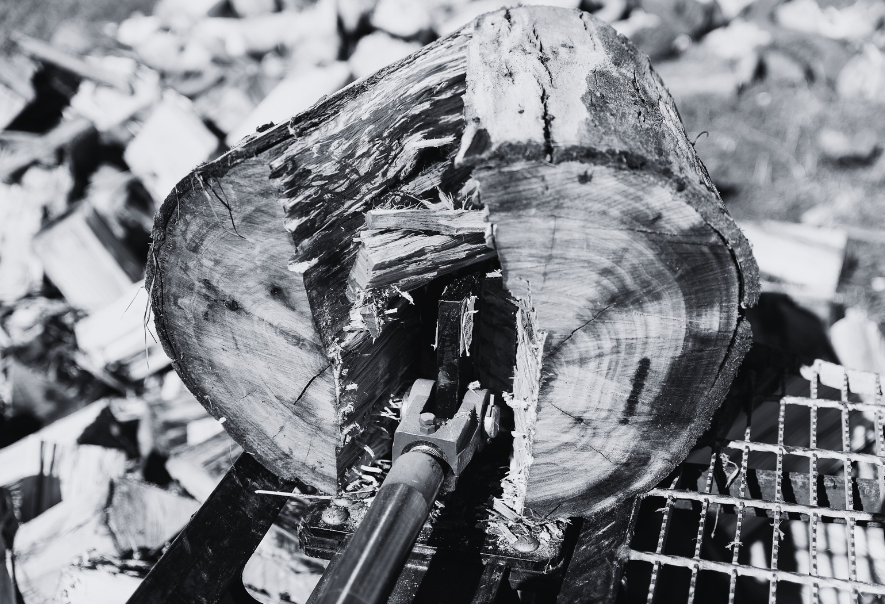
How does a double-acting cylinder work in a log splitter?
A double-acting hydraulic cylinder uses hydraulic pressure to perform work in both directions of the piston stroke: it pushes the piston forward to split the log and then retracts it back to prepare for the next split. This design improves efficiency and cycle control, making it popular for both home and commercial log splitters.
Components of a double-acting cylinder
- Cylinder barrel: The outer casing that houses the piston and hydraulic fluid.
- Piston: A movable component inside the cylinder that divides the cylinder into two chambers.
- Ports: Inlets and outlets through which hydraulic fluid enters and exits the cylinder.
- Seals: Prevent hydraulic fluid from leaking out and ensure efficient operation.
Why double-acting is common
Because it’s powered in both directions, a double-acting cylinder gives more predictable retraction and can improve overall cycle control—especially when returning the wedge quickly matters.
What’s the difference between single-acting and double-acting cylinders?
The key difference is how they use hydraulic fluid to create motion. Single-acting cylinders apply hydraulic pressure in one direction (typically extend), relying on an external force (like gravity or a spring) to return. Double-acting cylinders use hydraulic pressure to extend and retract.
For applications that require fast and efficient operation (like many log splitters), double-acting cylinders are often preferred. For simpler tasks or budget-sensitive setups, single-acting cylinders may be suitable.
What bore size is best for a log splitter cylinder?
The best bore size depends on the size/type of logs, available hydraulic pressure, pump capacity, and how frequently you’ll use the splitter. A bore size of 4 to 6 inches is typical for most applications, with larger bores suited to more demanding work.
- Home use: For occasional splitting, a 4-inch bore cylinder is often sufficient.
- Frequent use or larger logs: Consider a 5-inch or 6-inch bore cylinder.
- Professional / heavy-duty: For very large or tough logs, a 6-inch bore is typically recommended.
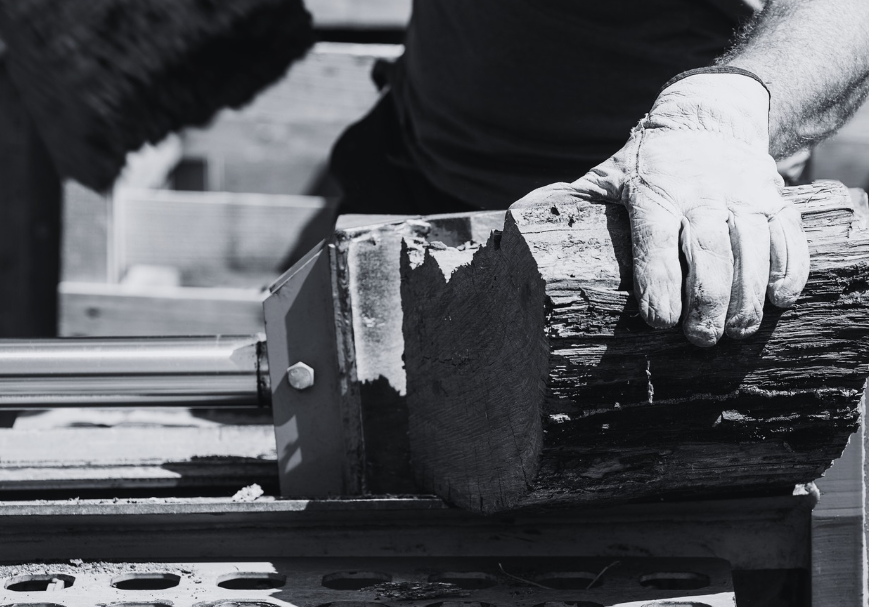
Quick sizing tip
Bigger bore = more force, but it also needs more oil volume per stroke. Make sure your pump flow can deliver the cycle time you want.
How much stroke length do I need?
Stroke length depends on the log length you plan to split and the splitter design. A stroke length of 12 to 24 inches is typical, with longer strokes suited to larger logs and heavier-duty applications.
- Casual users: For standard firewood lengths (e.g., 16–18 inches), 12 to 16 inches is usually sufficient.
- Regular users / mixed log sizes: 16 to 24 inches is a common choice.
- Commercial use: 24 inches+ may be optimal for larger material and heavy-duty machines.
How do I maintain my log splitter cylinder?
Regular maintenance includes inspections, cleaning, checking hydraulic fluid level/condition, maintaining seals, and ensuring all connections remain secure. This helps extend cylinder life and keeps the splitter operating safely and efficiently.
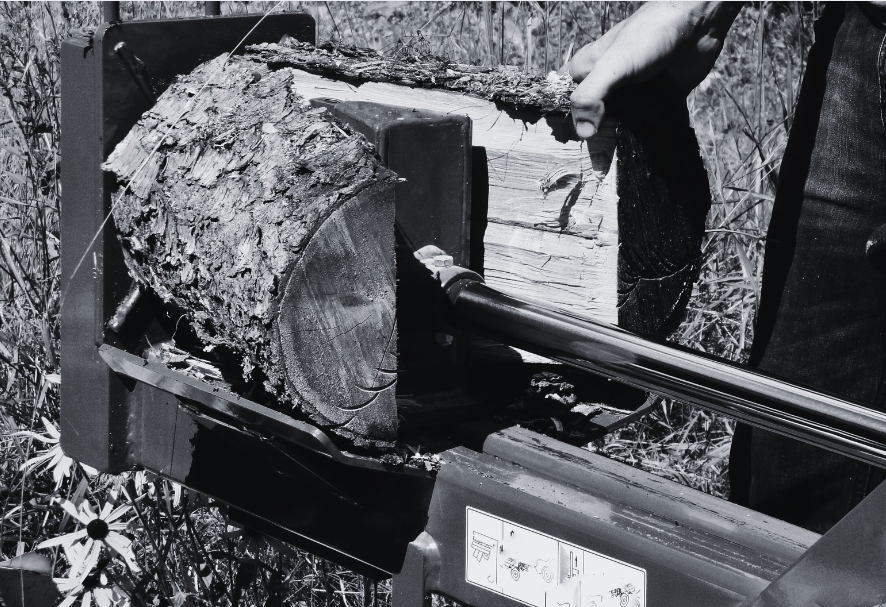
Simple maintenance checklist
- Inspect rod for scoring/pitting and keep it clean.
- Check for leaks around ports, seals, and fittings.
- Maintain correct oil level and replace oil/filters at recommended intervals.
- Confirm mounts/pins are tight and not worn (misalignment accelerates seal wear).
Can I replace a single-acting cylinder with a double-acting one?
You can, but you must consider compatibility, hydraulic system requirements, and whether additional components are needed. A double-acting cylinder typically requires additional plumbing/valving to control retraction. If the switch is planned properly, it can improve efficiency and performance.
If you’re unsure about compatibility or installation, consult the equipment manufacturer or a hydraulic specialist.
What are the common signs that a cylinder needs replacing?
If you notice any of these signs, take action promptly to avoid further damage. Depending on severity, the cylinder may be repairable (e.g., seal replacement) or it may be best to replace the unit. Consult a hydraulic specialist if you’re unsure.
Common replacement indicators
- Persistent external leaks around seals or ports
- Rod damage (pitting/scoring/bending) causing repeated seal failure
- Loss of force or slow cycling despite correct pressure/flow
- Jerky movement, chatter, or unusual noises linked to the cylinder
What does “closed length” mean for a cylinder?
Closed length is the overall length of a hydraulic cylinder when it is fully retracted—meaning the piston rod is completely inside the cylinder body. This measurement is important because it determines how much installation space you need when the cylinder is “closed”.
Where can I buy replacement log splitter cylinders?
Flowfit offers a wide selection of high-quality log splitter cylinders, featuring various bore sizes, stroke lengths, and rod dimensions to meet your requirements. Enjoy competitive pricing and the option for next-day delivery. We can also supply custom cylinders tailored to your needs.
For more information, get in touch with our team of hydraulic specialists today!
Shop replacement log splitter cylinders at Flowfit
Browse double-acting log splitter cylinders in a range of bore sizes and strokes, or contact us for help matching closed length, ports, and mounting style.
The total one-stop supplier for hydraulic components & systems
Get in touch

Parys Road
Ludlow
Shropshire
SY8 1XY


