


Hydraulic Tubing vs. Hydraulic Hose: What You Need to Know
Hydraulic tubing is designed to carry pressurised hydraulic fluid between system components (pumps, valves, motors, cylinders) in machinery and equipment. Compared with hoses, tubing is rigid, durable, and commonly used where high pressure and clean routing matter.
What are hydraulic tubes?
Hydraulic tubes are pipes or tubes specifically designed for hydraulic systems—systems that transmit power using pressurised liquids (typically oil). They carry hydraulic fluid between components such as pumps, cylinders, and valves.
What are the most common materials for hydraulic tubes?
The material composition plays a major role in performance and suitability. Common materials include:
-
Steel (carbon steel)
Widely used due to strength and affordability, and its ability to withstand high pressures. Often zinc-coated or treated for corrosion resistance. Carbon steel can rust in humid/corrosive environments unless protected. -
Stainless steel
Excellent corrosion resistance—ideal for harsh environments (marine, chemical, food processing). Handles extreme temperatures and resists oxidation. More expensive, but often worth it for longevity. -
Chrome-plated steel
Combines carbon steel strength with a chrome layer for improved wear and corrosion resistance. The coating reduces friction and can extend component life.
Quick material selection
Use carbon steel for standard hydraulic environments, and upgrade to stainless where corrosion, chemicals, washdown, or outdoor exposure is a concern. Consider chrome-plated where wear resistance and durability are priorities.
What is the difference between hydraulic tubing and hydraulic hose?
Hydraulic tubing is rigid and engineered to endure high pressures with fixed routing. Hydraulic hose is flexible and used where movement, vibration, articulation, or tight routing is required. Hoses are often used in applications with lower pressure demands than tubing, but selection depends on the system specification.
Types of hydraulic tubes
-
Seamless hydraulic tubes
Manufactured without a seam, improving strength and reliability for high-pressure or safety-critical applications. -
Welded hydraulic tubes
Made by rolling sheet metal and welding the seam. More cost-effective, typically suited to lower-pressure applications.
How do you size a hydraulic tube?
Hydraulic tubes are typically sized by inner diameter (ID) and wall thickness, then matched to required flow rate and pressure.
-
Outer diameter (OD)
Influenced by material, wall thickness, and pressure rating. Ensure the tube is rated for the system pressure. -
Inner diameter (ID)
Must support required flow while keeping fluid velocity in an appropriate range. Higher flow generally requires larger ID. -
Wall thickness
Must be sufficient to withstand pressure without bursting. Higher pressure = thicker wall (generally).
How to select the right hydraulic tube
Key factors to consider:
- Material matching – match pressure, temperature, and environment (corrosion/chemicals/UV).
- Pressure rating – the tube must withstand maximum operating pressure safely.
- Flow rate – calculate flow (GPM/LPM) and select ID to suit performance and velocity targets.
What is the difference between metric and imperial hydraulic tubing?
Metric hydraulic tubing is measured in millimetres, while imperial tubing uses inches. The best choice depends on region, machine specification, and fitting standards used in the system.
What are the common uses of hydraulic tubes?
Hydraulic tubes are used across industries where fluid power is needed, including:
1) Construction equipment
- Excavators, loaders, cranes — carry high-pressure fluid to cylinders and motors powering lifting and digging operations.
2) Agricultural machinery
- Tractors, combine harvesters, ploughers — operate lift arms, steering, harvesting functions, and hydraulic implements.
3) Aerospace
- Aircraft and spacecraft — flight control and landing gear systems requiring precise high-pressure fluid transfer.
4) Automotive industry
- Braking systems and power steering — transmit fluid pressure to assist steering and braking functions.
5) Oil and gas industry
- Drilling and offshore platforms — control valves, pumps, and heavy equipment in harsh environments.
6) Forestry equipment
- Log splitters and harvesters — power cutting, lifting, and splitting operations.
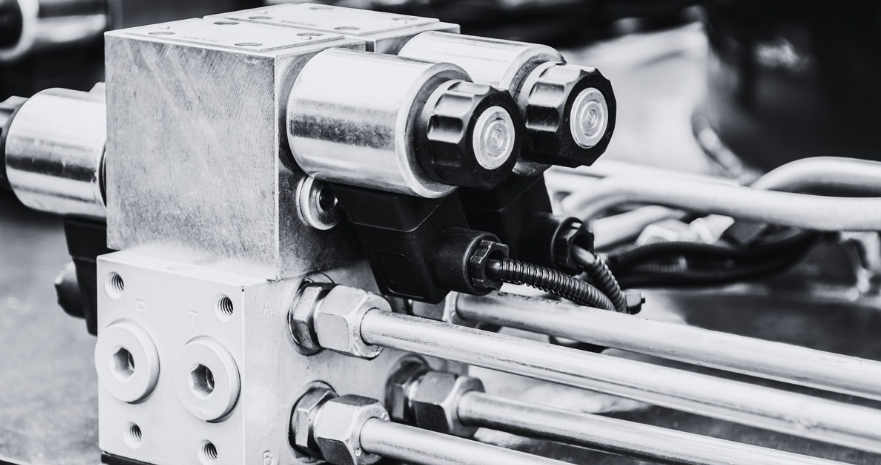
What is the maximum pressure a hydraulic tube can handle?
Maximum pressure depends on tube material, diameter, and wall thickness. Steel tubing can handle very high pressures, while hoses may have lower pressure limits. Always match tubing to the system’s maximum operating pressure and safety requirements.
How do I install hydraulic tubing?
Hydraulic tubing should be cut to length, bent to the required angle, and connected using the correct fittings. Proper installation is essential for leak-free performance and safety.
Can hydraulic tubes be repaired?
In some cases, tubes can be repaired using specialist techniques (such as welding), but if tubing is severely damaged, kinked, or corroded, replacement is usually recommended to protect the system and maintain safe performance.
Why buy hydraulic tubing from Flowfit?
- Premium quality: Made from top-grade materials for durability and demanding applications.
- Comprehensive range: Wide selection of materials and sizes to suit your specification.
- Customisable solutions: Tailored hydraulic solutions to meet unique requirements.
- Free UK shipping: Free UK shipping on orders over £250.
- Global shipping: Serving customers across the UK and worldwide.
Shop hydraulic tubing or get expert help
Browse our selection of hydraulic tubing. If you’d like help selecting material, sizing, or fittings, get in touch with our hydraulic specialists today.
The total one-stop supplier for hydraulic components & systems
Get in touch

Parys Road
Ludlow
Shropshire
SY8 1XY


