


Hydraulic Hand Pumps Explained: How They Work and Why You Need One
Hydraulic Hand Pumps Explained: How They Work & Where They’re Used
A hydraulic hand pump is a manual pump that generates hydraulic pressure without electricity. They’re commonly used for lifting, pressing, testing, and powering hydraulic cylinders or tools in workshops, on-site jobs, and remote locations.
Quick takeaway
Hydraulic hand pumps convert hand force into hydraulic pressure, making them ideal where portable, reliable high-pressure power is needed.
What is a hydraulic hand pump?
A hydraulic hand pump is a mechanical device that uses manual lever action to move hydraulic fluid and create pressure. That pressure can then drive a hydraulic cylinder, ram, or tool for lifting and pushing tasks.
How does a hydraulic hand pump work?
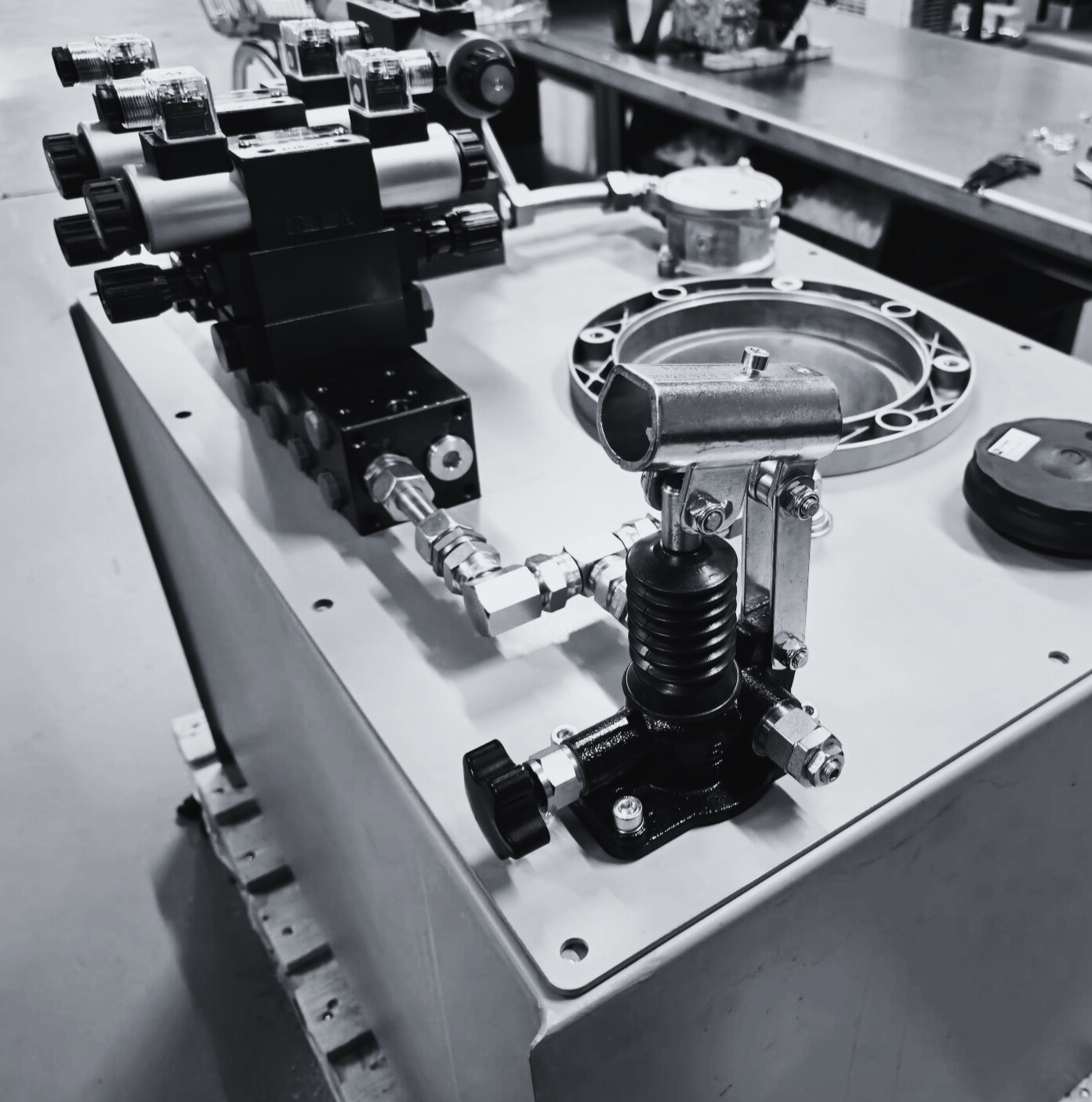
Hand pumps create pressure by moving a piston (or plunger) inside the pump body. On the pump stroke, the piston forces hydraulic fluid through a check valve and out of the output port. Check valves prevent backflow, so pressure builds with each stroke.
Tip
If your setup includes a gauge, watch pressure rise as you pump—this makes it easier to reach (and stay within) your target pressure.
What are the components of a hydraulic hand pump?
Most hand pumps include the following core parts:
- Pump body: The main housing containing the internal components.
- Pump handle: The lever you operate to generate pressure.
- Hydraulic fluid reservoir: Holds the hydraulic oil used to transmit force.
- Piston or plunger: Pressurises the fluid as it moves.
- Check valves: Control one-way flow and prevent backflow.
- Output port: Where pressurised fluid exits to the system/tool.
What are the main applications of hydraulic hand pumps?
Hydraulic hand pumps are widely used because they provide dependable power without requiring a motor or electrical supply. Typical applications include:
1. Automotive repair and maintenance
- Lifting vehicles during servicing and repair tasks.
- Powering hydraulic jacks and lifting equipment.
2. Construction and heavy equipment
- Formwork and concrete lifting where controlled force is needed.
- Operating hydraulic tools (when suitable for manual power and duty cycle).
3. Agriculture
- Operating implements and on-site maintenance tasks.
- Lifting and positioning heavy components.
4. Manufacturing and industrial use
- Pressing and bending operations.
- Assembly and setup where portable hydraulic power helps.
5. Aerospace and marine
- Maintenance and testing of hydraulic systems.
- On-site lifting/positioning where external power isn’t practical.
What types of hydraulic hand pumps are available?
The most common types are single-acting and double-acting hand pumps:
Single-acting hand pumps
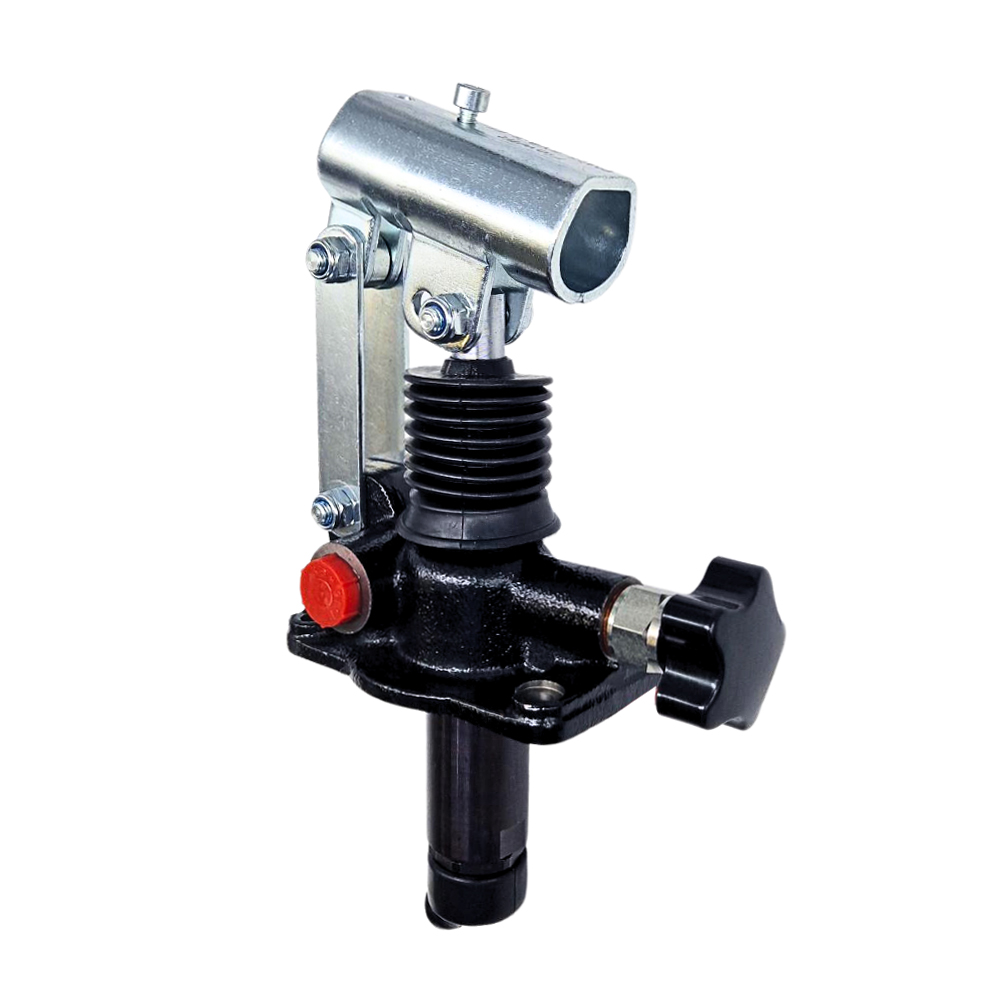
- Function: Builds pressure on one stroke; returns on the opposite stroke.
- Typical use: Lifting or pushing where fluid movement is mainly one-directional.
Double-acting hand pumps
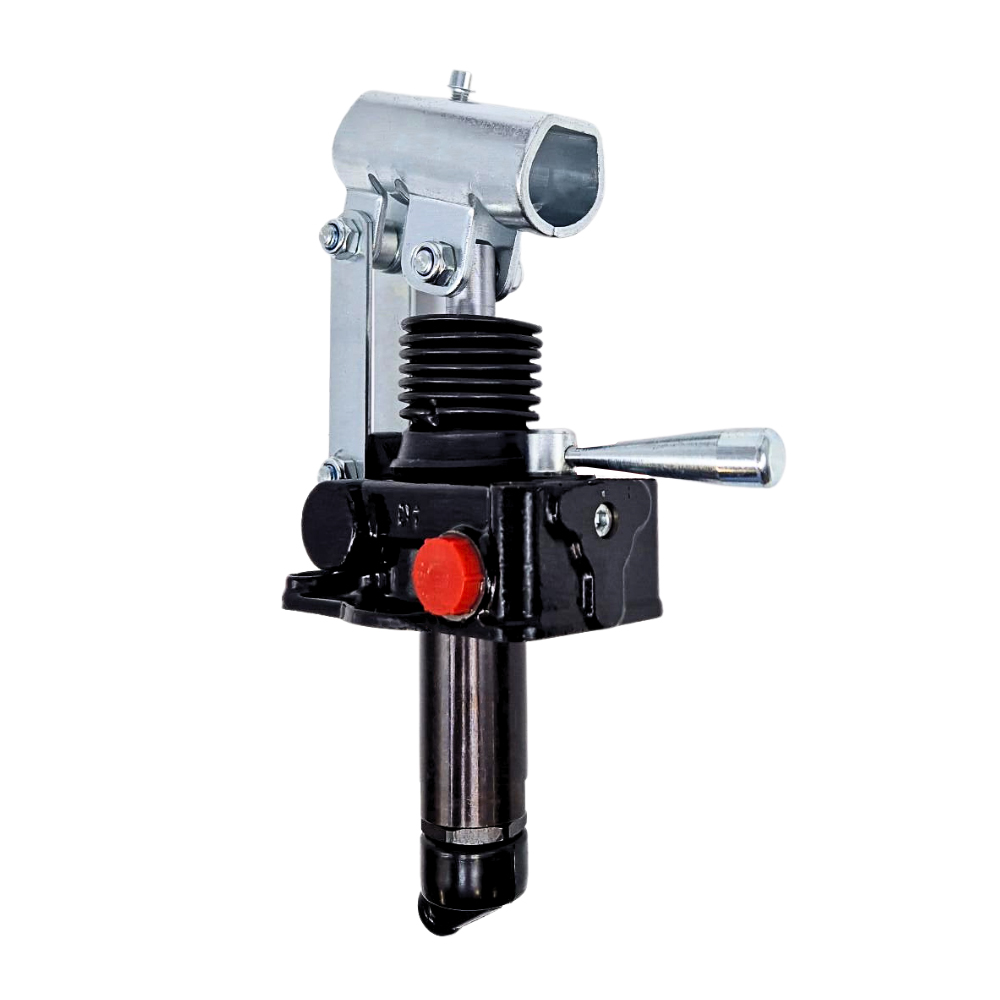
- Function: Builds pressure on both strokes for faster fluid delivery.
- Typical use: Applications needing quicker extension/retraction and higher productivity.
Can hydraulic hand pumps be used for high-pressure applications?
Yes—hydraulic hand pumps can be used for high-pressure work as long as the pump, hose, and connected components are correctly rated for the required pressure. Always match the pump’s pressure capability and connection type to your application.
What are common accessories for hydraulic hand pumps?
Accessories can improve safety, control, and performance. Common add-ons include:
- High-pressure hoses: Rated hoses to connect the pump to cylinders/tools.
- Hydraulic cylinders: Single-acting for lifting/pushing; double-acting for controlled movement both ways.
- Adaptors and connectors: For quick, secure set-up and compatibility between components.
- Pressure gauges: Helps monitor pressure and avoid over-pressurising.
- Inline filters: Helps keep oil clean and protect components.
- Relief valves: Prevents over-pressurisation and protects equipment.
What are the advantages of hydraulic hand pumps over electric pumps?
Hand pumps are often chosen when simplicity and portability matter most:
- Portability: Easy to carry and use where power isn’t available.
- Simplicity: Straightforward operation and minimal setup.
- Cost-effective: Usually lower upfront cost than powered units.
- Reliability: Fewer electrical components to fail in harsh environments.
- Immediate pressure: Pressure builds as soon as you start pumping.
- Works in tough conditions: Less dependence on electric motors in cold/remote environments.
Diverse & reliable Flowfit hydraulic hand pumps
Looking for a dependable manual pump for lifting, testing, or powering cylinders?
Shop hydraulic hand pumps or contact Flowfit for help choosing the right option.
The total one-stop supplier for hydraulic components & systems
Get in touch

Parys Road
Ludlow
Shropshire
SY8 1XY


