


A Seamless Connection: Understanding Bell Housings and Drive Couplings
A bell housing (also called an engine or motor bell housing) is a protective enclosure around the PTO area that helps connect and align the engine/motor to a hydraulic pump. When paired with the correct drive coupling, it supports reliable torque transfer, reduces vibration, and protects rotating parts.
What is a bell housing, and what role does it play?
A bell housing is a critical component that serves as a protective enclosure for the engine's PTO, specifically around the transmission and crankshaft. Its primary role is to connect the engine to the pump while also providing structural support.
Key functions of a bell housing
- Connection: Connects the engine to a hydraulic pump so power can be transferred to drive the pump.
- Protection: Shields the PTO area from dirt/debris and helps prevent foreign bodies contacting rotating parts.
- Alignment: Helps align the engine/motor and pump for correct engagement of the PTO and pump shaft (reducing wear).
- Support: Provides structural support to maintain the PTO’s position and stability.
- Vibration dampening: Can help absorb and reduce vibration for smoother operation and reduced stress on components.
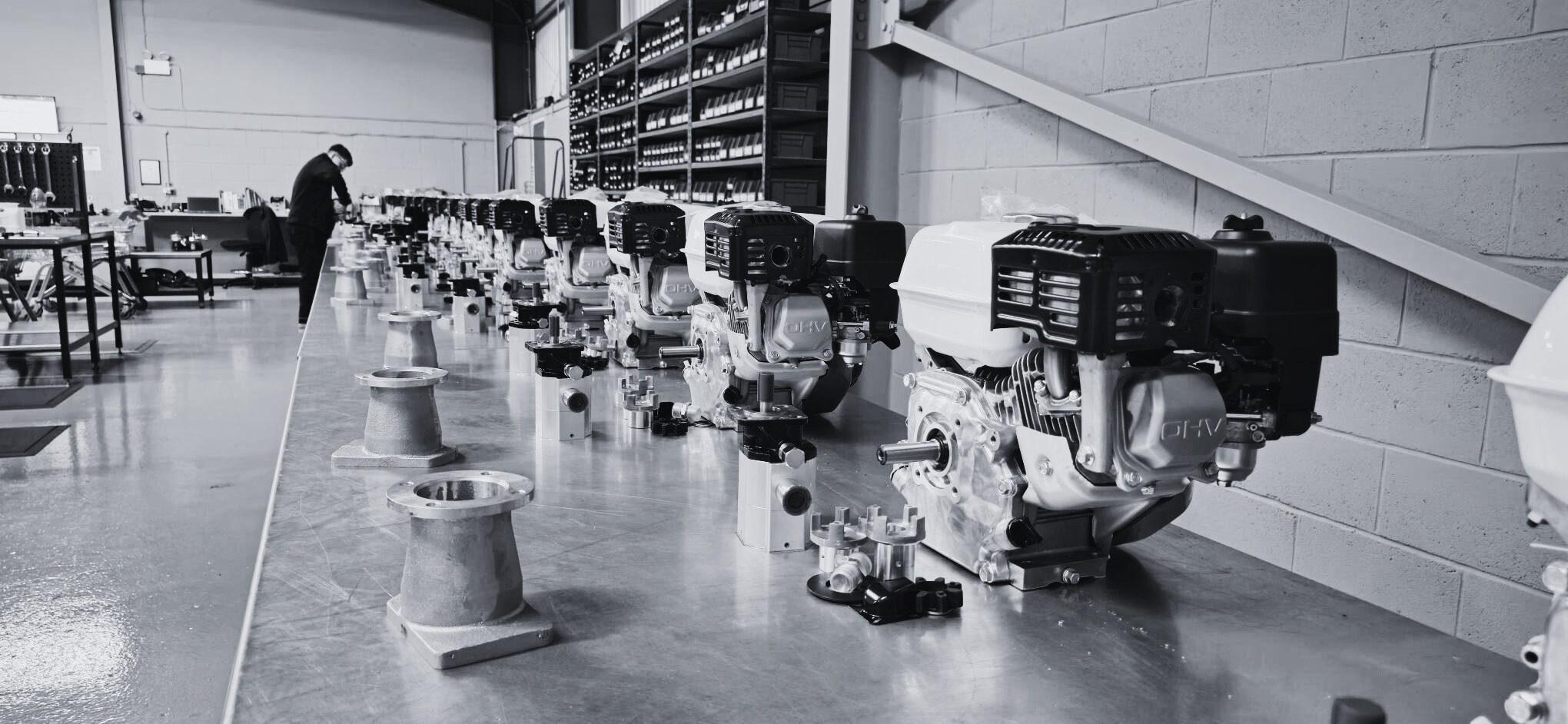
Are there different types of bell housings for different petrol engines or motors?
Yes. Bell housings are designed for specific petrol engines and electric motors, and the correct selection depends on factors such as engine model, transmission type, motor frame size, and the intended application.
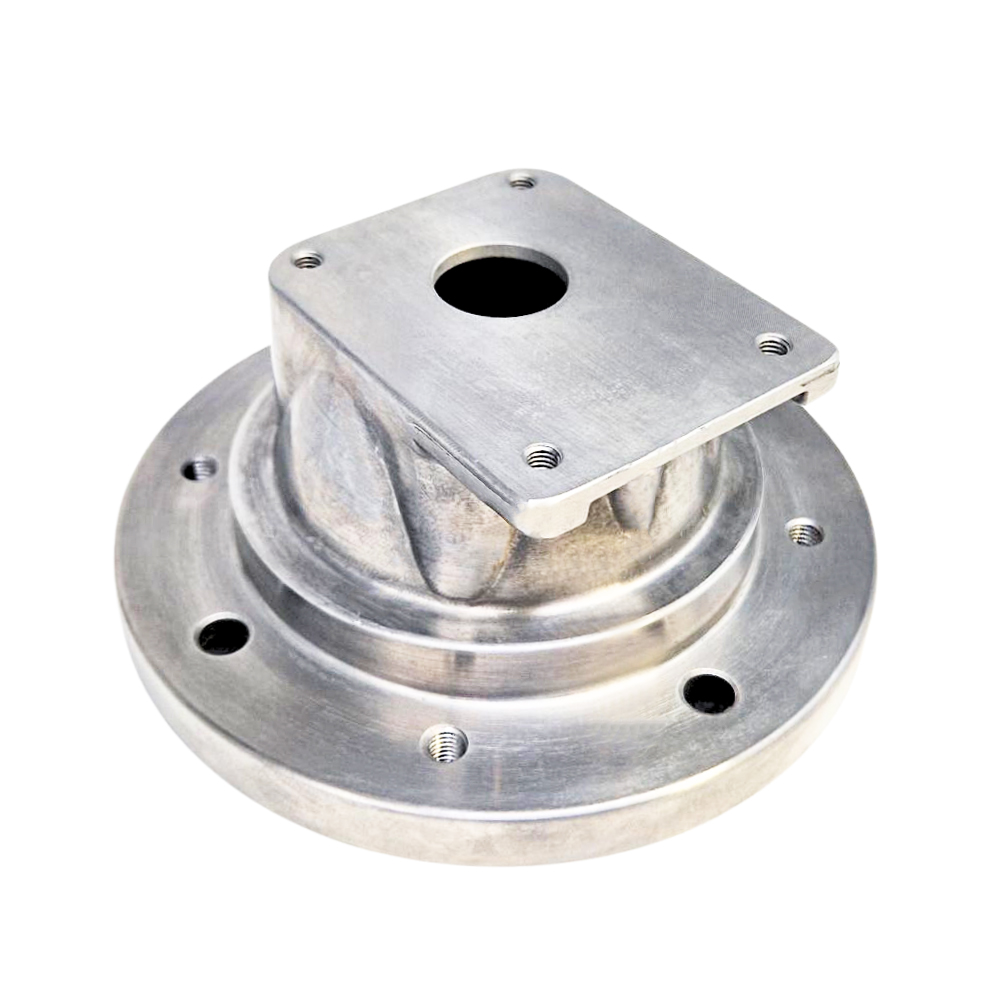
Tip
When selecting a bell housing, confirm the mounting flange pattern and shaft alignment requirements for both the engine/motor and the hydraulic pump.
How do bell housing designs affect the performance of an engine/motor?
Bell housing design influences performance and longevity by impacting alignment accuracy, structural rigidity, vibration behavior, heat dissipation, and maintenance access. Correct design and fitment can improve reliability and reduce premature wear.
How do bell housings contribute to engine/motor vibration reduction?
Bell housings help reduce vibration through structural rigidity, precise alignment, isolation of vibrational energy, and stable support for torque transfer. By minimizing vibration, they improve comfort, performance, and component life in the hydraulic drive system.
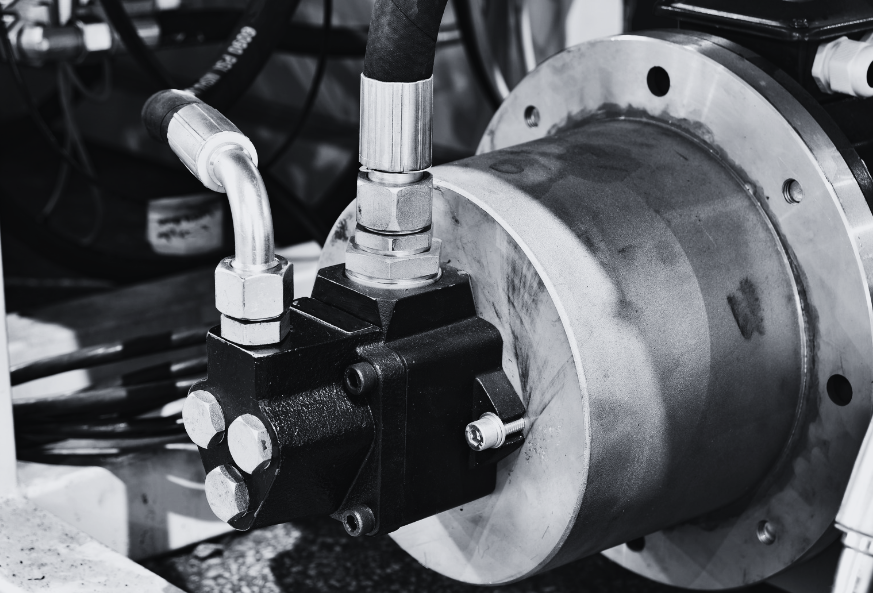
How does a bell housing affect torque transfer?
The bell housing supports efficient torque transfer by maintaining alignment, housing key components, reducing vibration, managing heat, providing structural strength, and integrating with the PTO drive. Issues like misalignment or poor fitment can lead to slippage, increased wear, and reduced power transfer efficiency.
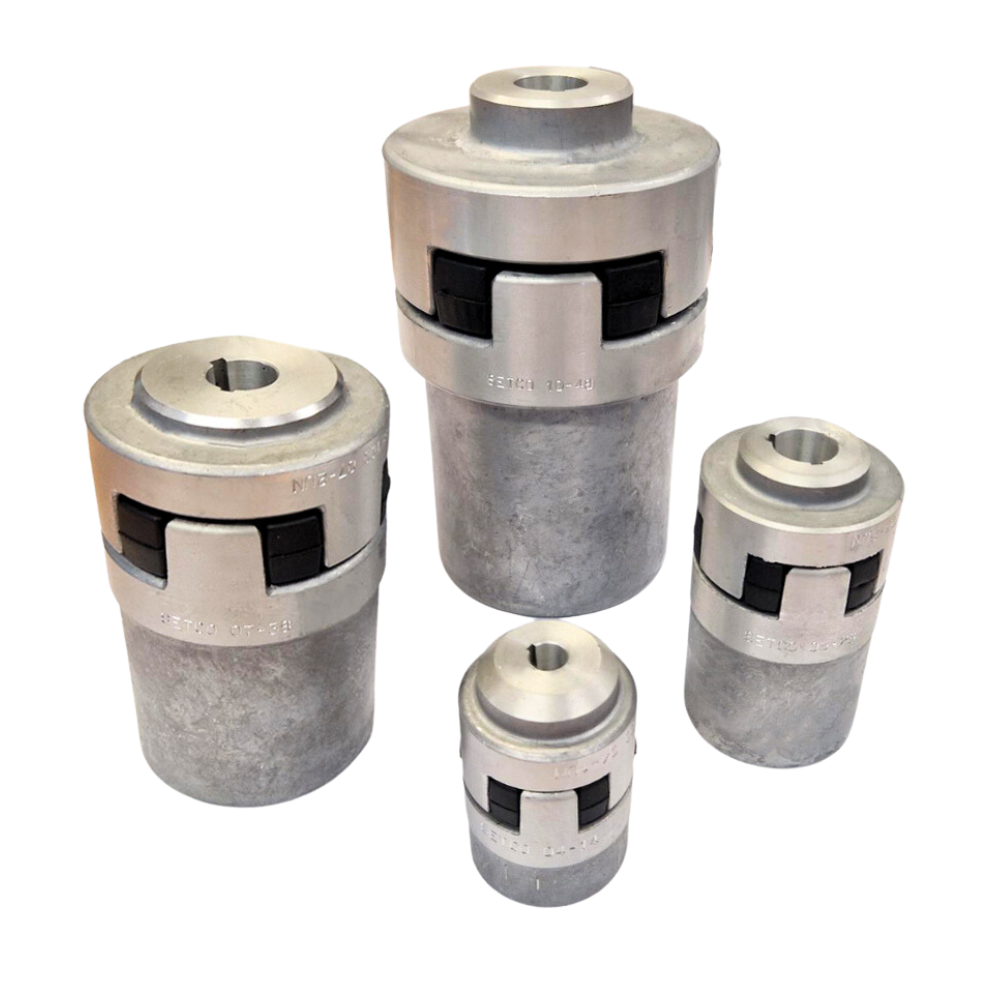
What is a drive coupling?
A drive coupling connects two shafts to transmit power and rotational motion from one to the other. It can help accommodate minor misalignment and reduce vibration and shock loads during operation.
How do drive couplings integrate with bell housings?
Drive couplings and bell housings work together to deliver effective torque transmission, accommodate alignment requirements, and improve system durability. Typically, the coupling is housed and protected within the bell housing.
Connection points
- Bell housing: Protective enclosure that houses the PTO drive and connects the engine/motor to a hydraulic pump; usually includes mounting points for the engine/motor and the pump mounting flange.
- Drive coupling: Connects the engine/motor shaft (or PTO drive shaft) to the driven shaft of the hydraulic pump—typically shielded within the bell housing.
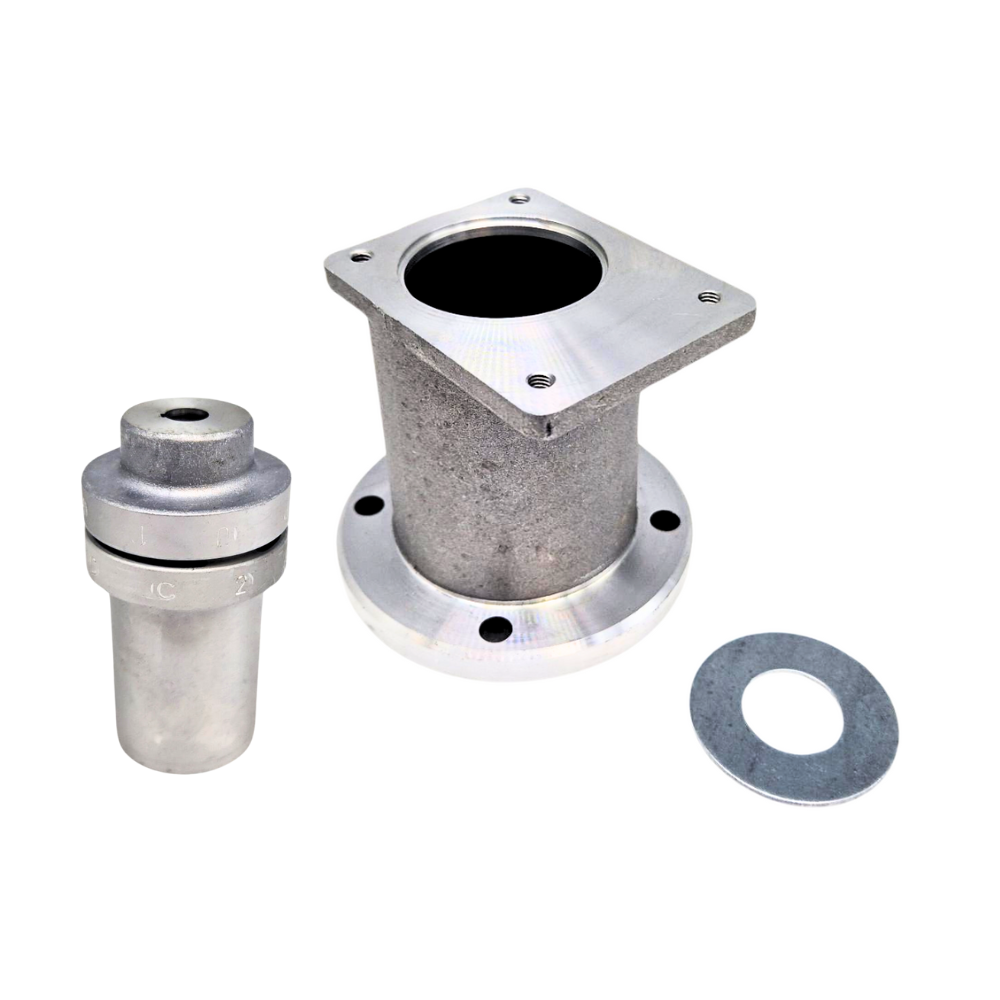
How does the choice of drive coupling affect bell housing design?
Drive coupling selection influences bell housing requirements for size/clearance, load capacity, vibration control, thermal management, maintenance access, sealing requirements, and overall compatibility with the engine/motor and pump arrangement.
Are there compatibility issues between different bell housings and drive couplings?
Yes—compatibility issues can occur due to differences in size, mounting, ratings, and intended use. Common concerns include:
- Mounting configuration: Different bolt patterns can prevent correct installation.
- Load ratings: Components must be rated for the expected torque/load to avoid failure.
- Precision alignment: Some couplings require tighter alignment; the bell housing should support this (e.g., locating features).
- Damping characteristics: Couplings designed to absorb vibration work best when the overall assembly supports that goal.
- Environmental conditions: Temperature/fluid exposure ratings must suit the operating environment.
Engineered for Excellence: Flowfit Bell Housings & Drive Couplings
Discover the essential role of bell housings and drive couplings in optimising engine performance at Flowfit.
Our range includes housings suitable for a variety of brands, including Lister Petter, Kohler, Launtop and Briggs & Stratton, and many more.
View bell housings & drive couplings
or get in touch with our hydraulic specialists today.
The total one-stop supplier for hydraulic components & systems
Get in touch

Parys Road
Ludlow
Shropshire
SY8 1XY


