


Understanding the Different Phases of Electric Motors: Single Phase vs. Three Phase
Choosing between a single-phase and three-phase motor starts with understanding what a “phase” actually means. The number of phases determines how electrical power is delivered to the motor — and directly affects efficiency, starting performance, and application suitability.
Need to choose an electric motor?
If you already know your supply type, you can compare Flowfit’s single-phase and three-phase electric motor ranges.
Shop single-phase electric motors | Shop three-phase electric motors
What Is a “Phase” in Electric Motors?
In alternating current (AC) systems, electricity is delivered in waveforms. The number of phases refers to how many AC waveforms are used to power the motor.
- Single-phase: One AC waveform powers the motor.
- Three-phase: Three AC waveforms power the motor, each offset by 120°.
Understanding these differences is key when selecting the right motor for your application. You can also browse Flowfit’s full electric motor range if you are still comparing options.
1) Single-Phase Electric Motors
A single-phase motor operates using a single alternating current waveform. They are commonly used in residential and light commercial applications where power demand is relatively low.
How single-phase motors work
These motors use a single winding. Because the magnetic field only pulsates rather than rotates continuously, single-phase motors require an auxiliary starting mechanism — typically a capacitor or auxiliary winding — to create an initial phase shift and starting torque.
Advantages of single-phase motors
- Simplicity: Easier construction and design.
- Lower cost: Generally more affordable than three-phase motors.
- Easy installation: Operate on standard 120V or 240V supplies.
- Compact size: Typically smaller and lighter.
Limitations
- Lower efficiency under heavy loads.
- Requires additional starting components.
- Not ideal for high-demand industrial use.
Common applications
- Household appliances
- Small pumps and compressors
- Residential HVAC systems
- Light-duty tools
2) Three-Phase Electric Motors
A three-phase motor uses three AC currents spaced 120° apart. This creates a continuous rotating magnetic field, resulting in smoother operation, improved efficiency, and higher torque output.
How three-phase motors work
Because the magnetic field is continuously rotating, three-phase motors do not require auxiliary starting components. They start more easily and operate with reduced vibration and energy loss.
Advantages of three-phase motors
- Higher efficiency — especially under heavy loads.
- Smoother power delivery — minimal pulsation.
- High starting torque without additional components.
- Smaller size for equivalent output.
- Lower long-term operating costs.
Limitations
- Requires a three-phase electrical supply.
- Higher upfront cost.
- Over-specified for small domestic applications.
Common applications
- Industrial pumps and compressors
- Conveyor systems
- Manufacturing equipment
- Large HVAC installations
Single-Phase vs Three-Phase: Quick Comparison
| Feature | Single-Phase | Three-Phase |
|---|---|---|
| Number of Phases | 1 | 3 |
| Efficiency | Lower | Higher |
| Starting Mechanism | Requires auxiliary components | No external starting aid |
| Power Output | Limited | High |
| Typical Applications | Residential & light commercial | Industrial & heavy machinery |
| Cost | Lower upfront | Higher upfront, lower running cost |
How Do You Choose the Right Motor?
- Residential or small commercial use? A single-phase motor is usually the most practical and cost-effective solution. View our single-phase electric motors .
- Industrial or high-load application? A three-phase motor offers better efficiency, smoother performance, and long-term savings. View our three-phase electric motors .
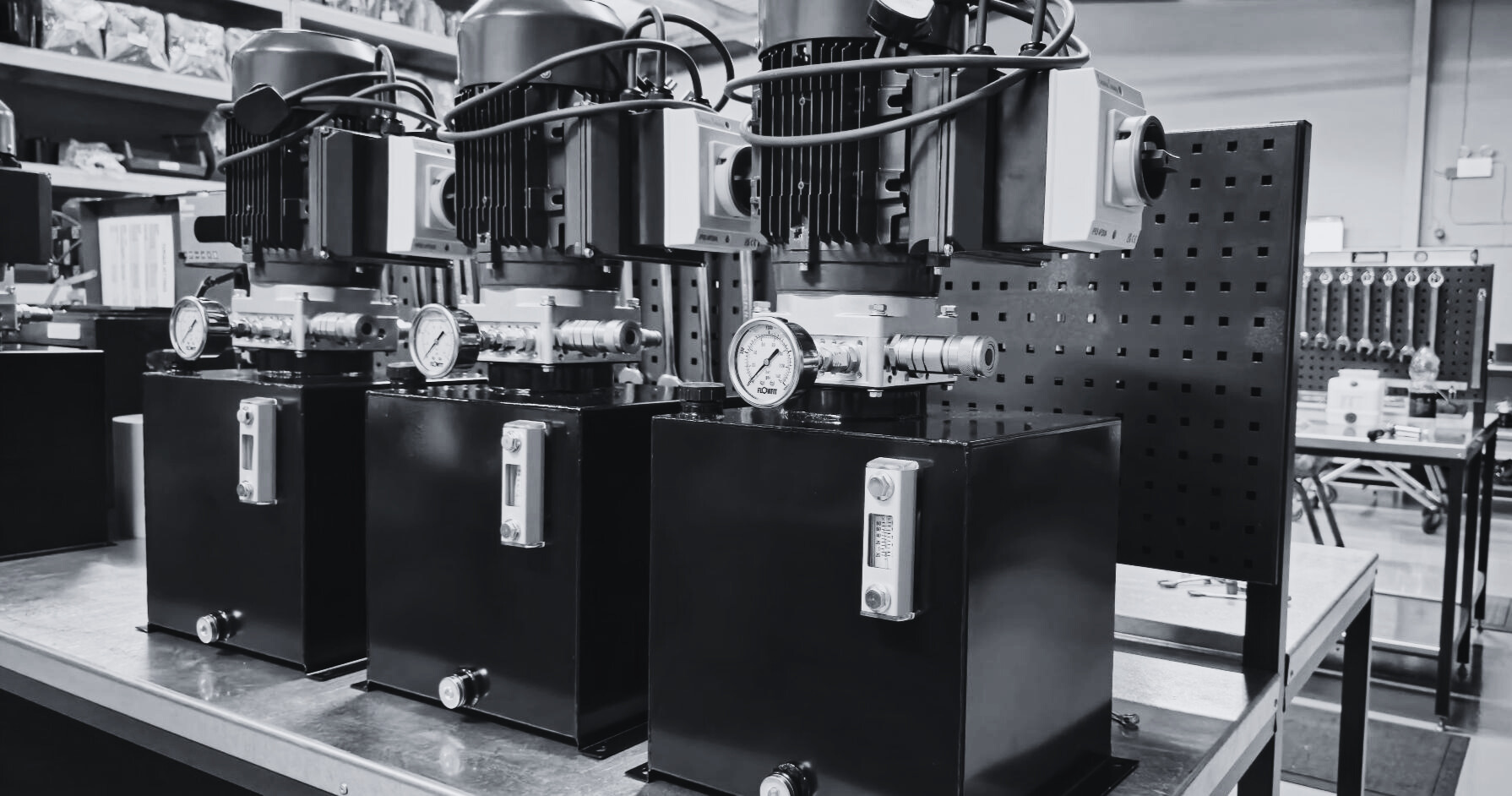
Find the right electric motor for your application
Browse our full electric motor range , including single-phase electric motors and three-phase electric motors , or contact our team for help selecting the correct phase, power rating, and configuration for your project.
The total one-stop supplier for hydraulic components & systems
Get in touch

Parys Road
Ludlow
Shropshire
SY8 1XY


