


Is the system single-acting, double-acting, or a pressure and return (P+T)?
Single-Acting vs Double-Acting vs P+T Hydraulic Systems: How to Identify
Not sure if your hydraulic system is single-acting, double-acting, or a pressure and return (P+T) setup? The quickest way to identify it is to look at how many ports the actuator has, and whether hydraulic pressure powers movement in one direction or both.
Quick identification checklist
- Single-acting cylinder: typically one working port (pressure extends), return by gravity/spring/load.
- Double-acting cylinder: two working ports (pressure extends and retracts).
- P+T system: a pressure line (P) feeding a valve/circuit and a separate tank/return line (T) back to reservoir.
Single-Acting Hydraulic System
In a single-acting hydraulic system, hydraulic pressure moves the actuator (for example, a cylinder) in one direction only. The return stroke is typically powered by an external force such as gravity, a spring, or the load itself.
Common applications
- Hydraulic jacks (lifting in one direction)
- Log splitters (extend under pressure, retract via return force)
- Lifting mechanisms where only one stroke is powered
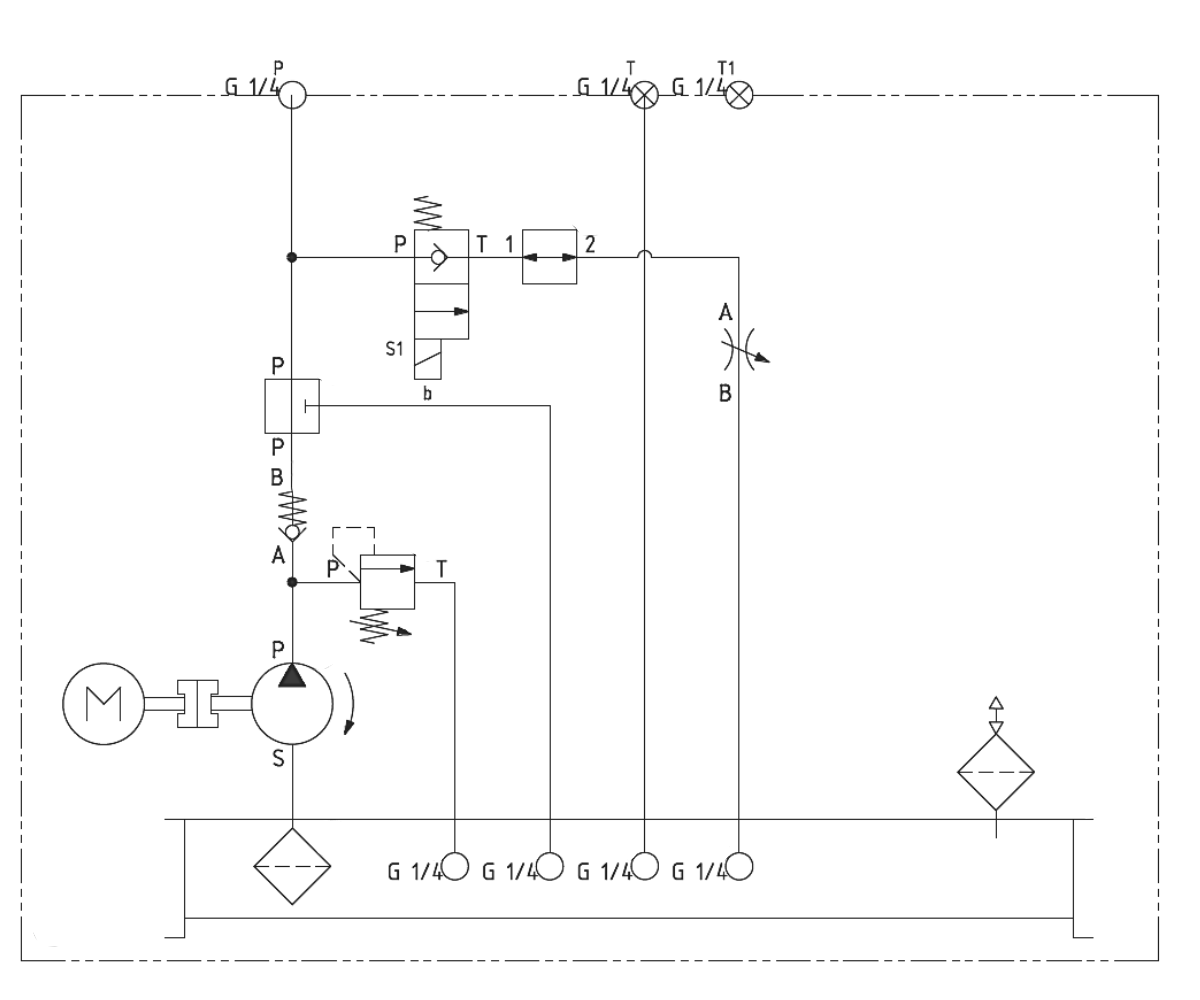
Double-Acting Hydraulic System
A double-acting hydraulic system uses hydraulic pressure to move the actuator in both directions. Double-acting cylinders have ports on both sides of the piston, allowing fluid to extend and retract under pressure. This gives controlled motion and force in both strokes.
Common applications
- Hydraulic presses (controlled force in both directions)
- Cranes and lifting equipment (controlled lift and lower)
- Excavators and construction machinery (push/pull functions)
- Hydraulic steering (controlled movement both ways)
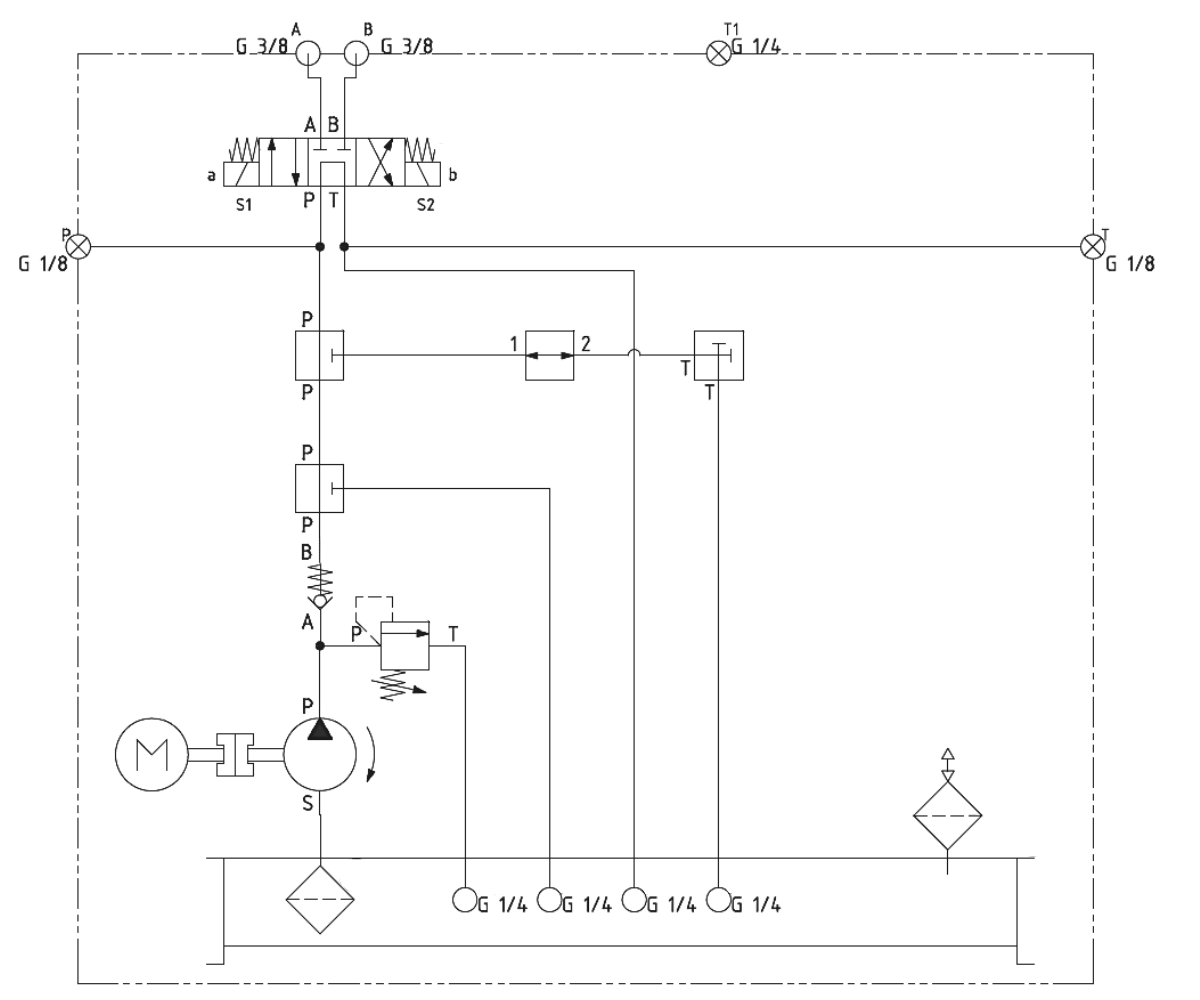
Pressure and Return (P+T) Hydraulic System
A pressure and return (P+T) system describes a circuit that uses a dedicated pressure line (P) to supply the circuit and a separate tank/return line (T) to send fluid back to the reservoir. This can improve control and efficiency, and it often allows the use of existing valves and components (reducing cost).
Two main lines
- P (Pressure): high-pressure supply line used to power or control actuator movement.
- T (Tank/Return): low-pressure return line back to the reservoir for recirculation.
Common applications
- Log splitters (often single-acting cylinders using P+T plumbing)
- Hydraulic jacks (pressure for lifting, return by gravity/spring)
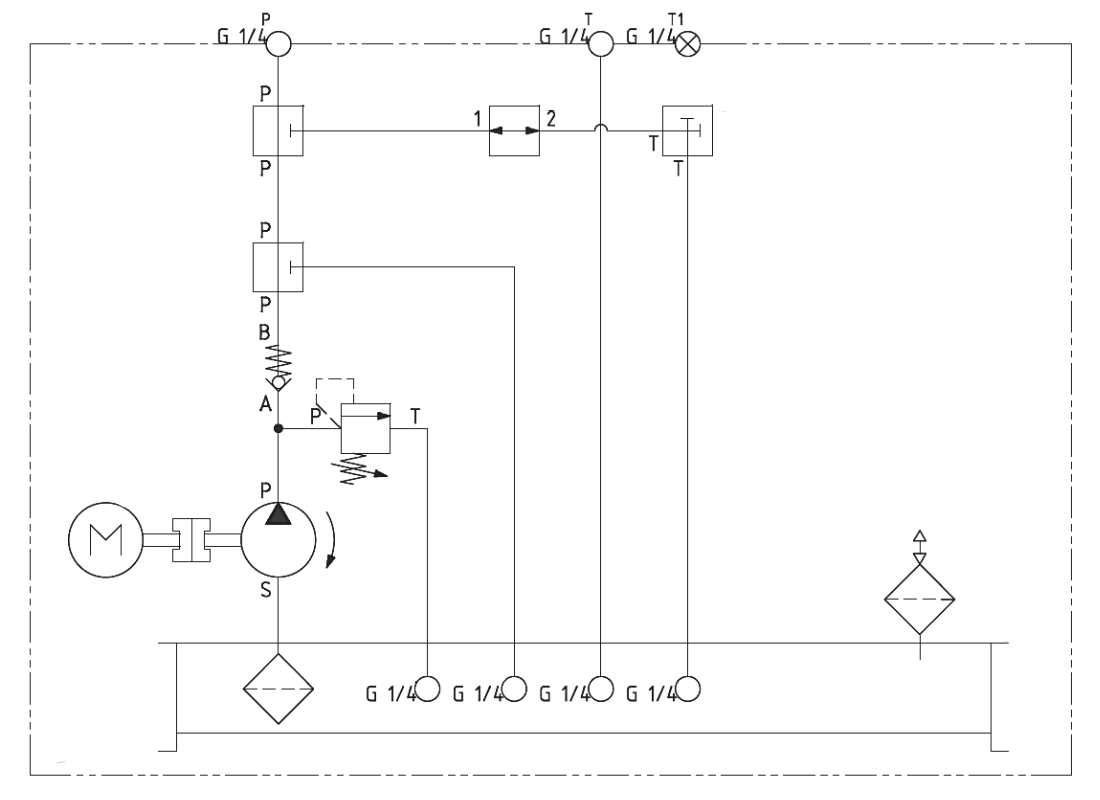
How to Identify Your Hydraulic System Type
- Check the cylinder ports: one working port usually indicates single-acting; two ports indicates double-acting.
- Trace the hoses/lines: look for a pressure supply (P) and a dedicated return to tank (T).
- Observe operation: does it return using gravity/spring/load, or is it powered back under pressure?
- Consult documentation: manuals and schematics often specify “single-acting”, “double-acting” or “P+T”.
Still unsure? Flowfit can help.
If you need help identifying whether your hydraulic system is single-acting, double-acting, or P+T — or selecting the right valves, cylinders, and fittings — our Technical Sales team is here to help.
Contact us to speak with a hydraulic specialist.
The total one-stop supplier for hydraulic components & systems
Get in touch

Parys Road
Ludlow
Shropshire
SY8 1XY


